 Français
 English
Customised orthodontic solutions for children, teenagers and adults in La Hulpe and Nivelles.
Welcome to Belle-vue Orthodontic Centre
where expertise and cutting-edge technology combine to create harmonious smiles.
Our experienced team will kindly guide you throughout your treatment.
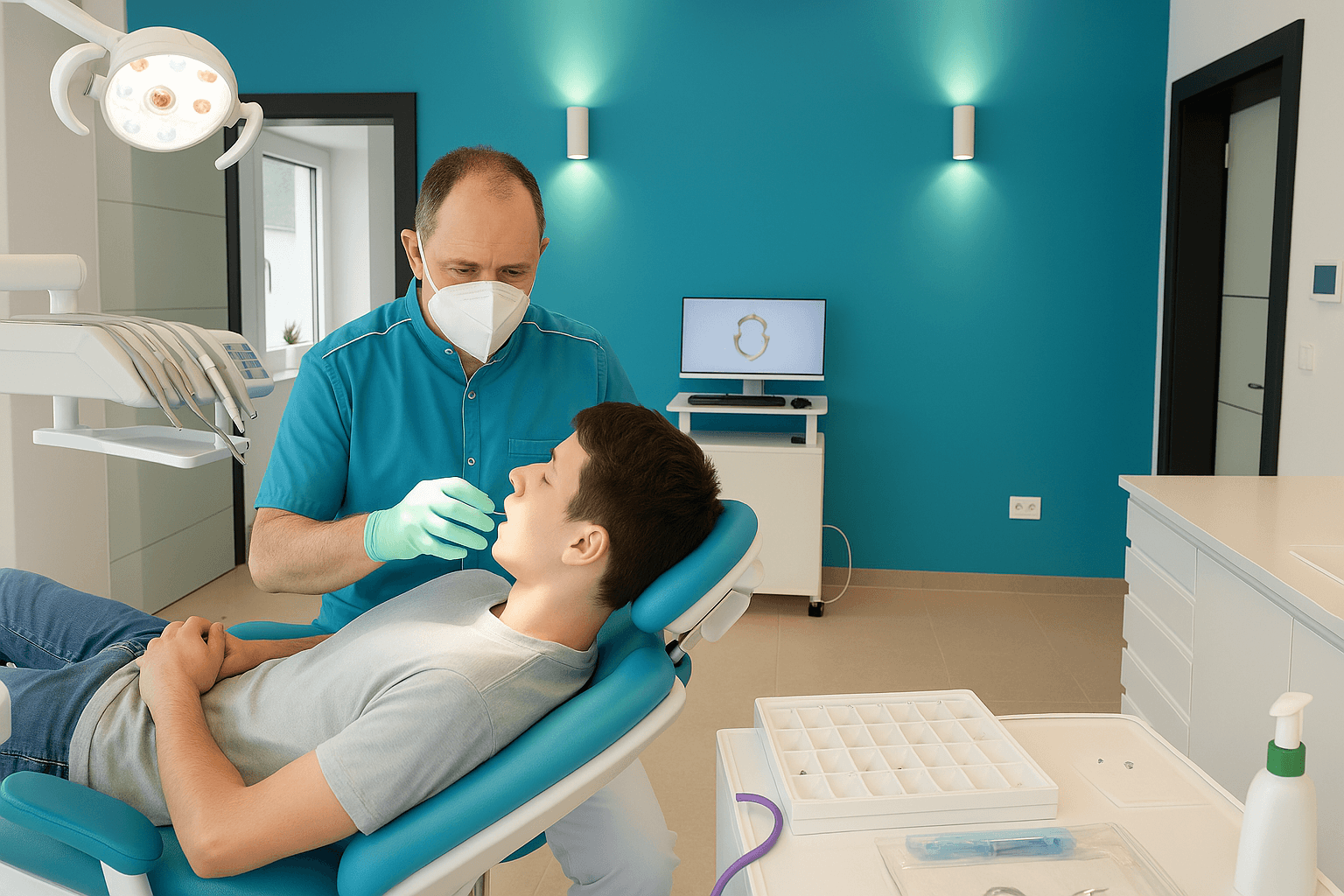
We offer a comprehensive range of treatments tailored to every need

What is the ideal time for an orthodontic evaluation?
The AAO recommends an initial assessment at age 7.
This allows us to identify your child’s orthodontic needs and determine the ideal time to begin treatment.
When treatment is indicated at this age, it often yields better results while reducing its duration and complexity.
These are referred to as preventive and interceptive treatments.
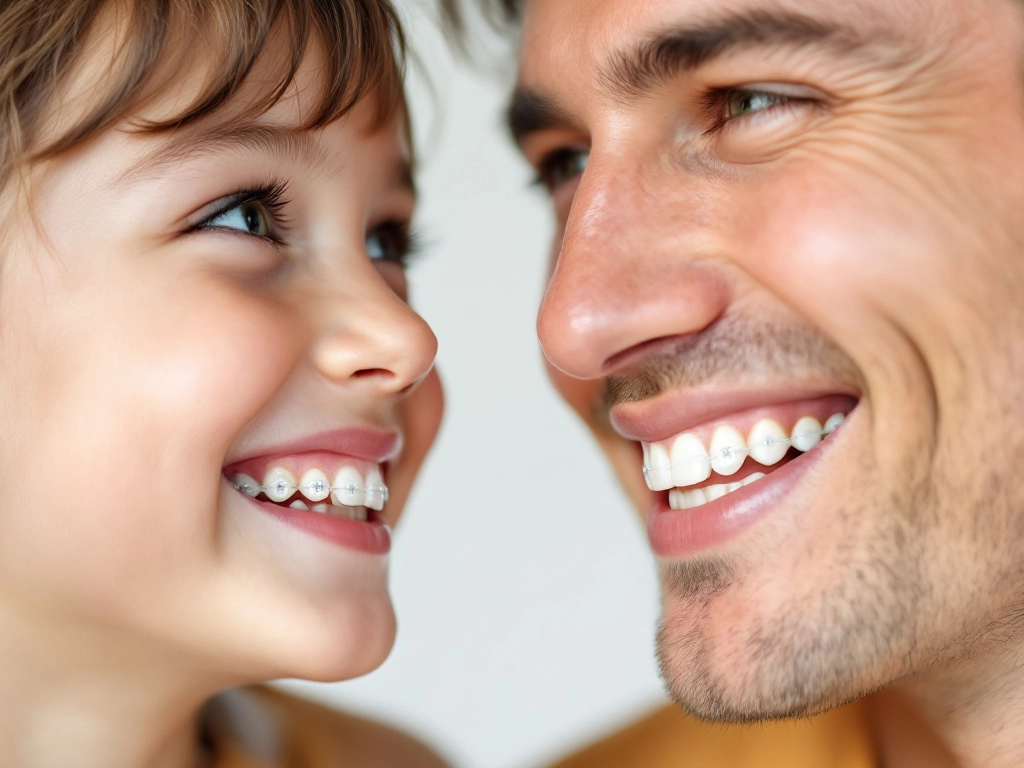
Children
Gentle treatment for the little ones
We guide the growth of teeth and jaws to prevent future problems.
Caring follow-up to reassure parents and young patients.
Adolescents
A discreetly aligned smile
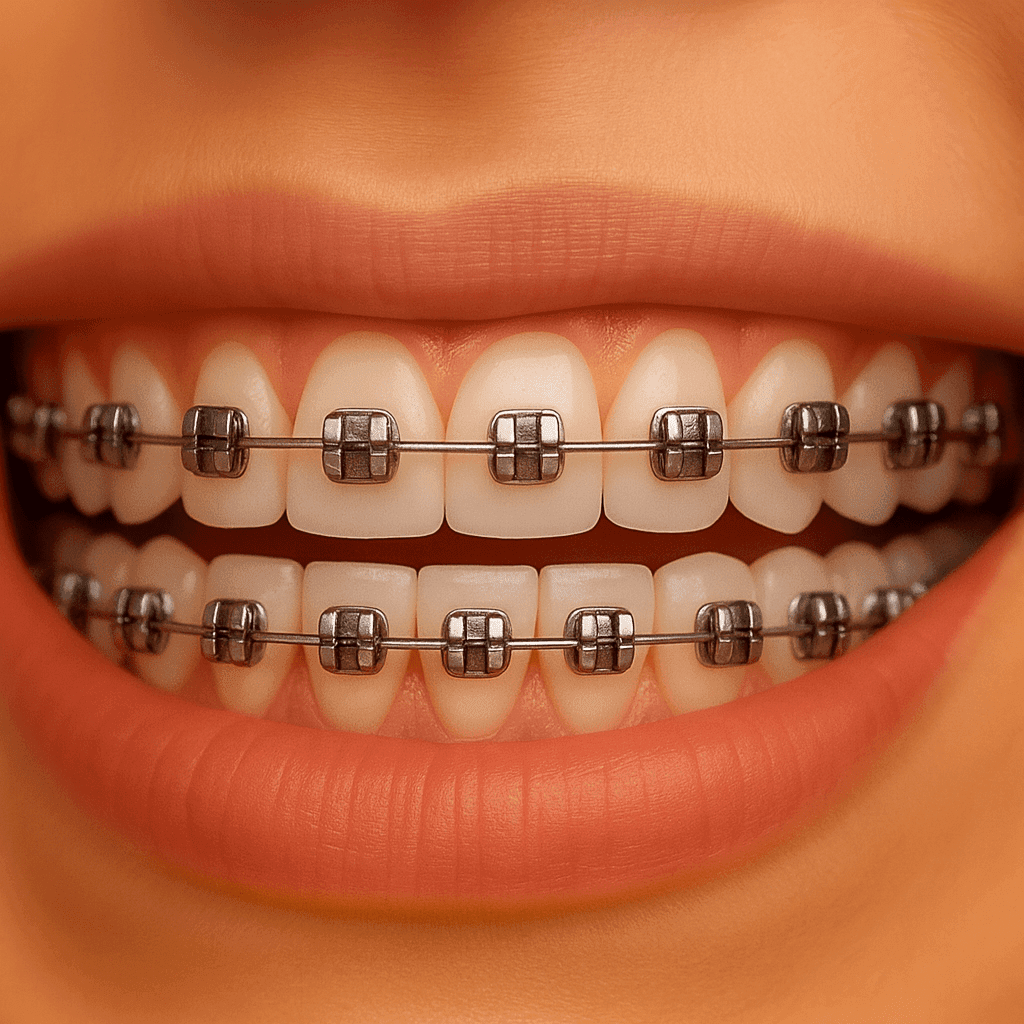
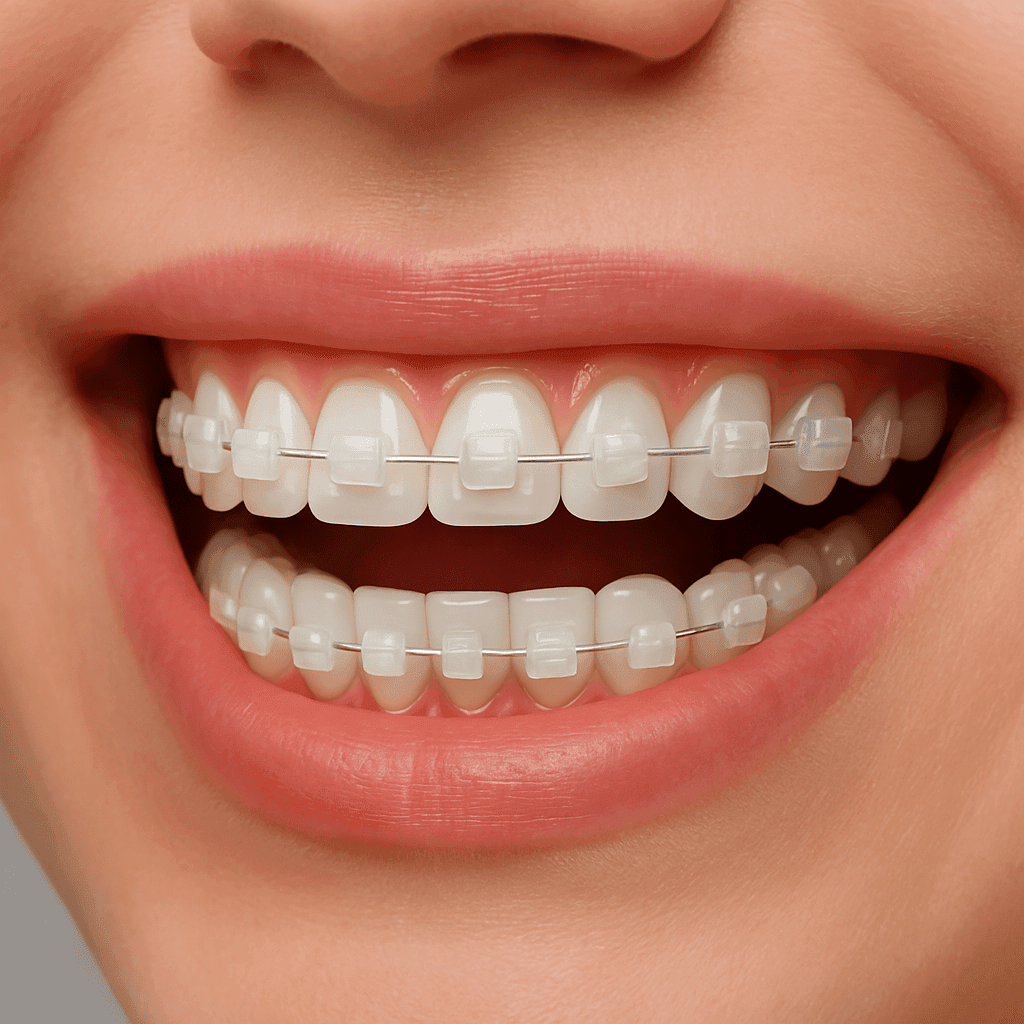
Invisible or ultra-discreet appliances, optimal comfort, visible results.
Modern solutions to make your smile truly yours.
Adults
It's never too late to smile
Aesthetic, effective, and invisible treatments adapted to your lifestyle.
Regain confidence and well-being, discreetly. Learn more
Frequently Asked Questions
At Ortho Belle-vue, we know that orthodontic treatment often raises many questions — whether it's for your child, teenager or yourself. We've compiled the most common answers here to guide you through each step with confidence.
At what age should one consult an orthodontist?
From 6–7 years old, to detect potential problems early and intervene preventively.
Should one wait for all baby teeth to fall out?
No, intervention between 7 and 10 years old often helps guide jaw growth and avoid more extensive treatments later.
Is it painful for the child?
Slight discomfort may occur initially, but it is temporary. Modern appliances are designed for children’s comfort.
Can an active child (sports, music lessons) wear an appliance?
Absolutely! Only certain wind instruments require an adaptation period. For sports with a risk of impact, a mouthguard is recommended.
Does early treatment prevent the need for an appliance later?
Sometimes, it can reduce the duration or complexity of treatment during adolescence, but each case remains unique.
What happens after the appliance is fitted?
Regular follow-up is established until growth is stabilized. A retainer (wire or aligner) ensures the durability of the result.
What is the ideal age to start treatment?
Most often between 10 and 15 years old, during growth, which can help avoid certain surgical procedures or extractions.
What is the difference between braces and invisible aligners?
Aligners (Invisalign, Spark) are transparent, removable, and aesthetic, ideal for image-conscious teenagers.
Is it compatible with selfies and social media?
Yes: discreet appliances (ceramic or invisible) maintain a neat appearance for photos.
What are the dietary and hygiene restrictions?
Avoid hard or sticky foods and brush your teeth after each meal to preserve the appliance and maintain oral health.
How long of time dures the treatment?
Generally between 12 and 30 months, depending on the complexity of the case.
Is a retainer necessary after braces?
Yes: a retention phase stabilizes the result, with a wire or aligner often worn at night.
Is it too late to start treatment?
-
No, there is no age limit. Many adults undertake treatment to improve their smile.
-
-
Which techniques should be favored?
Transparent aligners (Invisalign) and lingual orthodontics offer discretion and aesthetics.
Does the treatment last longer?
-
Yes, typically between 18 and 30 months, as bone tissues are less malleable than in adolescence.
-
-
Can orthodontics and dental aesthetics be combined?
Absolutely: better alignment prepares and optimizes whitening or veneer procedures.
Is extraction or surgery necessary?
Sometimes, depending on the bone profile and the necessary correction. A multidisciplinary approach may be considered.
What is the frequency for appointments and emergencies?
-
Visits every 4 to 10 weeks are scheduled, with prompt assistance in case of breakage or discomfort.
-
A passionate, highly experienced orthodontist — always at the forefront of innovation
Graduated in Dental Medicine from the Catholic University of Louvain and in Dento-Maxillofacial Orthopedics from the Faculty of Medicine in Paris, Dr. Daniel Balon further expanded his expertise in the United States, where he completed a master’s degree specializing in orthodontics and dento-facial orthopedics.
He also earned the University Certificate in Adult Orthodontics at UCL and continues to strengthen his knowledge every year through ongoing education, as well as national and international congresses.
Dr. Balon had the privilege of being trained by some of the most renowned figures in the field — an experience that still shapes his vision and clinical approach today.
The convergence of several medical and dental disciplines naturally fostered his passion for orthodontics and dento-facial orthopedics, two specialties in which he excels by offering medical, functional, and aesthetic solutions tailored to each patient.
Always attentive to innovation, Dr. Balon masters the latest technologies, ensuring treatments that are effective, precise, comfortable, and require minimal constraints in everyday life.
Patients at the practice benefit from care delivered by a certified specialist, dedicated and meticulous, who keeps his knowledge constantly up to date and remains at the cutting edge of scientific and technological advances.
He also places great importance on patient education: oral hygiene, appliance care, and healthy habits to adopt.
From the very beginning of your treatment, you will receive clear, personalized guidance to help you take care of your smile throughout your orthodontic journey.